
If you’ve ever stood at a coffee counter wondering whether to order a macchiato, latte, or cappuccino, you’re not alone.
The caffè macchiato is one of the most misunderstood drinks in modern coffee culture…partly because what you get at an Italian bar bears almost no resemblance to what arrives when you order a “macchiato” at certain chain coffee shops.
Let’s clear up the confusion and show you exactly how to make this espresso-forward classic at home.
Quick Facts
- A caffe macchiato is a traditional Italian espresso based drink consisting of a single shot of espresso (about 25–30 ml) “stained” with just a small amount of milk foam or steamed milk—typically 5–15 ml.
- The word “macchiato” means “stained” or “marked” in Italian, referring to the visual appearance of espresso marked by a dollop of milk on top.
- Starbucks-style drinks like the caramel macchiato and latte macchiato are milk-heavy, layered beverages that differ significantly from the traditional macchiato served in Italy.
- You can make an authentic espresso macchiato at home with an espresso machine or stovetop moka pot and a basic milk frother in under two minutes.
What Is Caffè Macchiato?
The caffè macchiato—also called an espresso macchiato—is a small, intense Italian coffee drink made from a shot of espresso lightly topped with steamed milk or foam. It’s one of the simplest drinks in the espresso family, yet it delivers a remarkably nuanced experience.
The Italian word “macchiato” translates to “stained” or “spotted,” which perfectly describes what you see when you look at the drink: a dark pool of espresso marked coffee with a small white spot of milk on the surface. This isn’t decorative—it’s functional. That tiny addition of milk takes the edge off the espresso’s intensity without drowning its character.
The typical ratio tells you everything you need to know about the drink’s priorities:
Component | Amount |
|---|---|
Espresso | 1 oz / 25-30 ml (single shot) |
Milk/Foam | 1 tsp to 1 tbsp / 5-15 ml |
Total volume | Approximately 2-3 oz |
In many Italian cafés, ordering simply “un macchiato” after late morning automatically means this small espresso macchiato, served in a pre-warmed demitasse cup. No questions asked, no customizations offered.
Unlike a cappuccino (equal parts espresso, steamed milk, and foam) or a caffè latte (espresso swimming in steamed milk), the macchiato is for coffee drinkers who want bold, strong coffee with just a touch of softness to round out the edges.
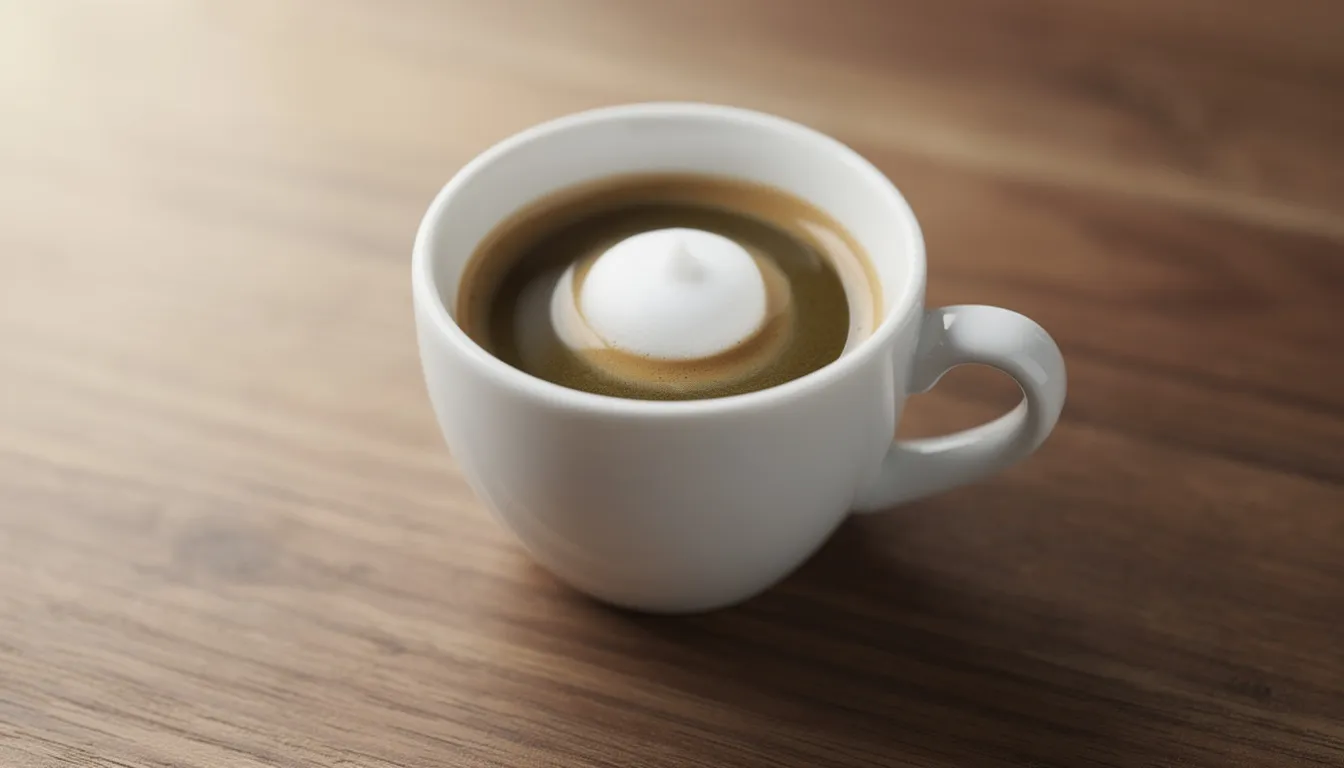
Origins and Italian Coffee Culture
The caffè macchiato developed in 20th-century Italian espresso bars as an elegantly simple solution to a practical problem: how do busy baristas distinguish between straight espresso and espresso that has a bit of milk added?
During hectic morning rushes in Italian bars, that small blob of milk foam on top served as an instant visual cue. When a barista lined up multiple cups on the counter, they could immediately tell which drink contained milk and which was pure espresso. No mix-ups, no wasted time, no unhappy customers.
In Italy, macchiato is commonly enjoyed throughout the day, especially after breakfast hours. Italian coffee culture has strong unwritten rules: cappuccinos and large milky coffees are generally considered breakfast-only drinks. Order a cappuccino after 11 AM and you’ll likely get a polite but puzzled look. The macchiato, however, slides comfortably into the afternoon as a quick pick-me-up that doesn’t violate the no-milk-after-morning convention.
Italian coffee culture generally favors small, concentrated drinks:
- Espresso sipped quickly at the bar counter
- Ristretto for those who want even more intensity
- Macchiato for a hint of creaminess without commitment
These are beverages consumed in moments, not lingered over. The concept of walking around with a 16-ounce to-go cup is largely foreign to traditional Italian café habits.
While the exact origin café or year remains unclear, the macchiato became widespread as espresso machines improved after World War II. Commercial machines from manufacturers like Faema in the 1940s and 1950s introduced steam wands that made quick milk steaming possible, and baristas started “marking” milk-containing shots as a natural evolution of their workflow.
Traditional Caffè Macchiato vs Modern Café Versions
Here’s where things get confusing for most people. Global chains—especially Starbucks starting in the late 1990s and 2000s—popularized sweeter, layered “macchiatos” that share almost nothing with the traditional Italian version except the name.
In an Italian bar, “macchiato” almost always means espresso macchiato: small, no syrups, and just a touch of milk or foam. The drink fits in a demitasse cup you could practically hide in your palm.
The difference between these drinks is dramatic:
Feature | Traditional Caffè Macchiato | Starbucks Caramel Macchiato |
|---|---|---|
Size | 2-3 oz (60-90 ml) | 8-16 oz (240-475 ml) |
Base | Espresso with foam on top | Vanilla syrup + steamed milk |
Sweeteners | None | Vanilla syrup + caramel syrup drizzle |
Flavor profile | Espresso-forward, bold | Sweet, dessert-like |
Preparation | Foam marks espresso | Espresso marks milk |
The Starbucks caramel macchiato is essentially a flavored macchiato—really a flavored latte with vanilla syrup, steamed milk, espresso poured on top for a layered look, and caramel drizzle. It’s closer to a dessert beverage than anything an Italian nonna would recognize.
When you order a macchiato at a specialty coffee shop, you will usually receive the traditional macchiato unless the menu specifically lists flavored or iced macchiatos as separate items.
Practical tip: When traveling (especially in Rome or Milan), ask for “espresso macchiato” if you want the classic version. Say “latte macchiato” if you’re looking for the milk-first, milder, layered drink that’s friendlier for those who find espresso too intense.
Flavor Profile and Texture
The overall taste of a properly made caffè macchiato is espresso-forward, intense, and slightly softened by a faint creaminess and sweetness from the milk. It’s not a smooth taste in the way a latte is smooth—it’s more like espresso wearing a thin silk scarf.
The dominant flavor notes come from the espresso beans themselves:
- Chocolatey and nutty from Brazilian or Colombian blends
- Fruity and floral from Ethiopian origins
- Roasty and caramel-like from darker roasts
That small amount of milk takes the sharp edge off bitterness and acidity without transforming the drink into something creamy like a cappuccino or latte. You still taste the coffee first, last, and always. The milk just files down the rough edges.
The texture offers an interesting contrast. The surface is silky due to the microfoam, but this quickly gives way to the thicker, almost syrupy espresso body underneath. There’s no heavy foam layer sitting on top like a cappuccino’s crown—just a bit of velvet softening the first sip.
A properly made macchiato is unsweetened. Any sweetness you detect comes naturally from the lactose in the milk and the coffee’s inherent flavor compounds, not added sugar or syrups. If you need sweetness, that’s a matter of personal taste, but purists would argue you’re missing the point.
How to Make a Classic Caffè Macchiato at Home
Making an authentic caffè macchiato at home is surprisingly straightforward. With the right technique and about two minutes of effort, you can produce something that rivals what you’d get at a good Italian-style café.
Equipment you’ll need:
- Espresso machine with steam wand (or stovetop moka pot plus separate milk frother)
- Small metal pitcher for steaming (12-20 oz capacity)
- Digital scale (optional but helpful for consistency)
- Pre-warmed demitasse cups (60-90 ml capacity)
The standard recipe:
Single shot of espresso—approximately 7-9 grams of finely ground coffee yielding 25-30 ml in 25-30 seconds—plus around 5-15 ml of steamed milk or foam.
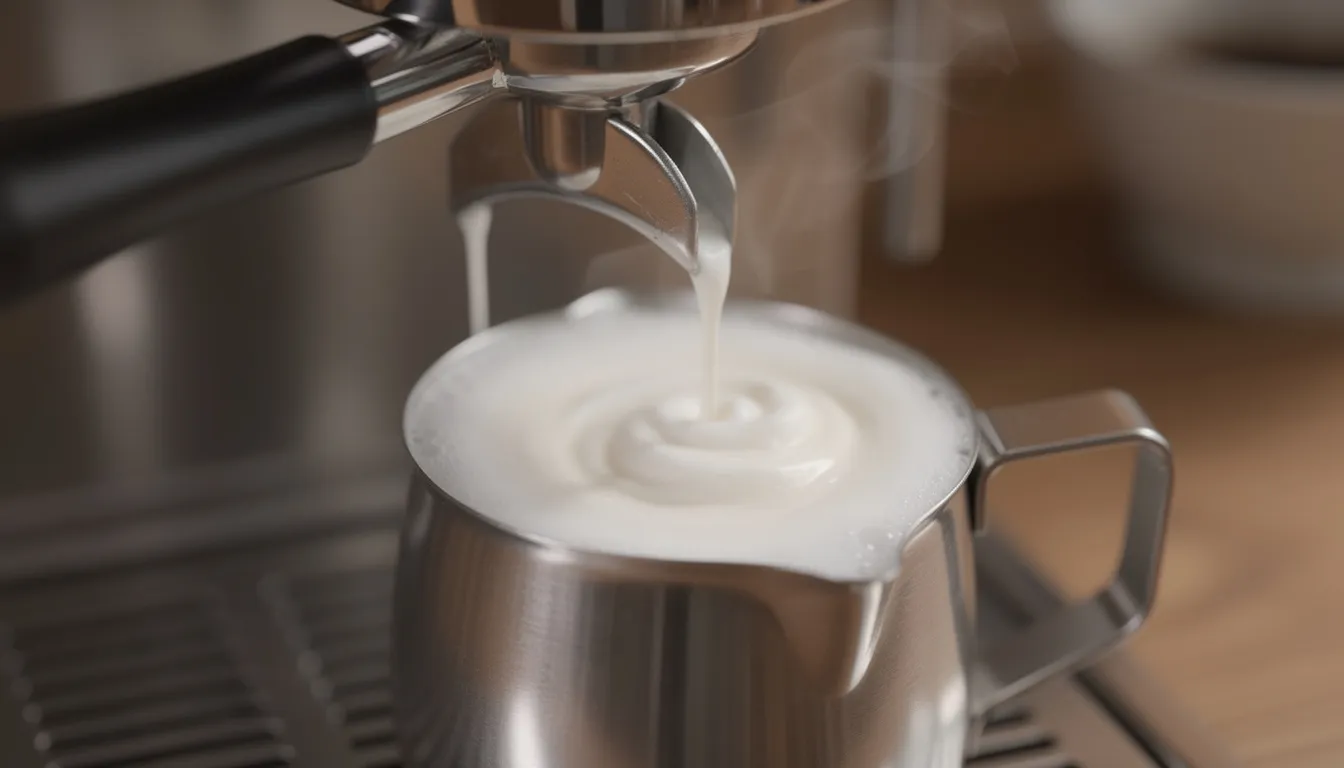
Step-by-step process:
Start by preheating your demitasse cup. Pour hot water in and let it sit while you prepare everything else. Cold cups kill crema instantly. Grind your beans to a fine espresso consistency (like table salt) and tamp firmly with about 25-30 pounds of pressure. Lock in your portafilter and pull the shot directly into the preheated cup, aiming for that 25-30 second extraction window.
While the shot pulls—or immediately after—steam a small amount of milk. Position the steam wand tip just below the surface, introduce air briefly to create microfoam, then submerge to heat the milk to roughly 140-150°F (60-65°C). You’re looking for fine, glossy microfoam, not stiff cappuccino froth.
Tap the pitcher gently on the counter to burst any large bubbles, give it a swirl, then carefully spoon or pour just a small amount—a dollop—of foam to “mark” the espresso surface. That’s it.
Timing and serving: Serve immediately, ideally within 30 seconds of marking the espresso. The crema is fragile, and the aroma fades fast. This isn’t a drink that waits for you.
Troubleshooting notes: If the drink tastes too harsh, slightly increase the milk or try a medium roast instead of dark. If it tastes too weak or watery, reduce the milk amount or check your espresso extraction—you may be pulling too long or using too coarse a grind.
Variations: Latte Macchiato, Cortado, and Caramel Macchiato
Many coffee drinks play with the ratio and order of espresso and milk, and the term “macchiato” has inspired several variations worldwide. Understanding these helps you order with confidence anywhere.
Latte Macchiato
This is essentially “milk marked by espresso”—the inverse of a caffè macchiato. Steamed milk is poured first into a tall glass (about 8-12 oz / 240-350 ml), then a double shot of espresso is added slowly to create visible layers. The result is milder and milkier, with the espresso stratified through the drink rather than dominating it. The layered effect makes it visually appealing but far less intense. This variation became popular in Germany and spread to chain cafés globally.
Cortado
The cortado (from Spain) uses roughly equal parts espresso and steamed milk—often a 1:1 ratio—with no hefty foam. Where a macchiato gives you espresso with a whisper of milk, a cortado offers a small but more balanced drink. Same amount of espresso, just surrounded by more milk for smoothness. If a macchiato feels too aggressive but a latte feels like drinking a cloud, the cortado might be your sweet spot.
Caramel Macchiato
What many cafés call a “caramel macchiato” is a flavored, layered latte-like drink: vanilla syrup at the bottom, steamed milk, espresso poured on top, and caramel drizzle to finish. It’s technically closer to a dessert latte than a true espresso macchiato. If you enjoy sweetness, this drink delivers. Just know it’s a different animal entirely from what you’d get ordering “un macchiato” in Florence.
Iced Macchiatos
Iced macchiatos follow the same concept with cold milk, ice, and espresso poured over, sometimes with syrups. They’re visually appealing with their layered presentation but quite removed from the tiny traditional macchiato you’d drink standing at an Italian bar. These work well on hot days when you want caffeine without warm beverages, though purists may raise an eyebrow.

Choosing Beans, Milk, and Gear for a Better Macchiato
While the macchiato is simple, ingredient and equipment choices dramatically affect flavor. With such a small, strong drink, there’s nowhere for subpar ingredients to hide.
Coffee beans:
Recommend medium or medium-dark espresso blends designed for espresso extraction. Look for beans freshly roasted within 2-4 weeks and rested at least 5-7 days post-roast for stable, balanced flavor. Single-origin options work well too. Ethiopian beans bring floral brightness, while Brazilian or Colombian origins offer chocolatey, nutty notes that pair beautifully with the milk’s natural sweetness.
Grind consistency:
Use a burr grinder for even particle distribution. The grind should be fine—like table salt—for proper espresso extraction. Too coarse and your shot pulls fast, tasting sour and thin. Too fine and it chokes, turning bitter and harsh. Dial in your grinder with test shots until you hit that 25-30 second sweet spot.
Milk options:
Milk Type | Fat Content | Foam Quality | Flavor Notes |
|---|---|---|---|
Whole milk | 3.5-4% | Excellent | Classic, natural sweetness |
Oat milk | ~3% | Very good | Creamy, slightly sweet |
Soy milk | Variable | Good | Neutral, proteins foam well |
Almond milk | Low | Moderate | Nutty, can be thin |
Skim milk | <1% | Fair | Less creamy, stiff foam |
Whole milk’s 3.5-4% fat content yields superior velvety texture and natural sweetness. Higher fat stabilizes bubbles during steaming and creates that silky microfoam you want. Barista-grade plant alternatives like oat milk with similar fat content can mimic this effectively if dairy isn’t an option.
Gear recommendations:
For beginners: A stovetop moka pot paired with a handheld milk frother gets you 80% of the way there for minimal investment. The brewing method produces strong, concentrated coffee that approximates espresso.
For enthusiasts: An entry-level home espresso machine with a steam wand (think Breville Bambino or Gaggia Classic) delivers more authentic results with proper crema and integrated frothed milk capability.
For professionals: Café-grade machines from La Marzocco or Slayer offer precise temperature control and pressure profiling. It’s overkill for home use, but perfect if you want the best possible macchiato experience.
FAQ
Is a caffè macchiato stronger than a latte?
Per ounce, absolutely. A caffè macchiato tastes much stronger and more intense than a latte because it contains mostly espresso with just a spoonful of milk. The same amount of caffeine hits you in a concentrated form rather than diluted across several ounces of steamed milk. If you’re comparing total caffeine content, a double shot latte and a double shot macchiato are equivalent—but the macchiato delivers that caffeine in a far more intense package.
Can I make a caffè macchiato without an espresso machine?
Yes, though the results will differ slightly. A stovetop moka pot produces strong, concentrated coffee at 2-3 bars of pressure (versus true espresso’s 9 bars) that works reasonably well as a substitute. You can also use a very strong AeroPress brew. Add a teaspoon or two of warmed, frothed milk—use a French press to froth by plunging vigorously for 30-60 seconds—and you’ll have something macchiato-like. The flavor profile won’t be identical, but it captures the spirit of the drink.
When do Italians usually drink caffè macchiato?
In Italy, macchiato is commonly enjoyed from late morning through the afternoon and after meals. It’s popular with people who find straight espresso too sharp but want to avoid the large milky drinks (like cappuccino) that are culturally reserved for breakfast only. The macchiato threads the needle—a touch of creaminess without breaking the unwritten rules of Italian coffee timing.
What size cup should I use for a traditional caffè macchiato?
A classic macchiato is served in a small espresso or demitasse cup of about 2-3 oz (60-90 ml), pre-warmed to maintain the drink’s temperature. The liquid level stays relatively low compared to larger cappuccino or latte cups. You’re looking at maybe half the cup filled at most. This keeps proportions correct and ensures you’re experiencing the drink as intended, not a watered-down version.
Does caffè macchiato always have foam, or can it be just steamed milk?
Both approaches are acceptable. Many Italian bars use a small spoonful of microfoam to mark the espresso, creating that characteristic white spot on the dark surface. However, some versions—especially the “macchiato caldo” style—use a splash of hot milk without much foam at all. The key is keeping the milk amount very small regardless of whether it’s foamy or flat. Personal preference guides the choice, but the drink should never approach the milk volume of a cappuccino or latte.