
What Is Artisan Coffee and Why Does It Matter?
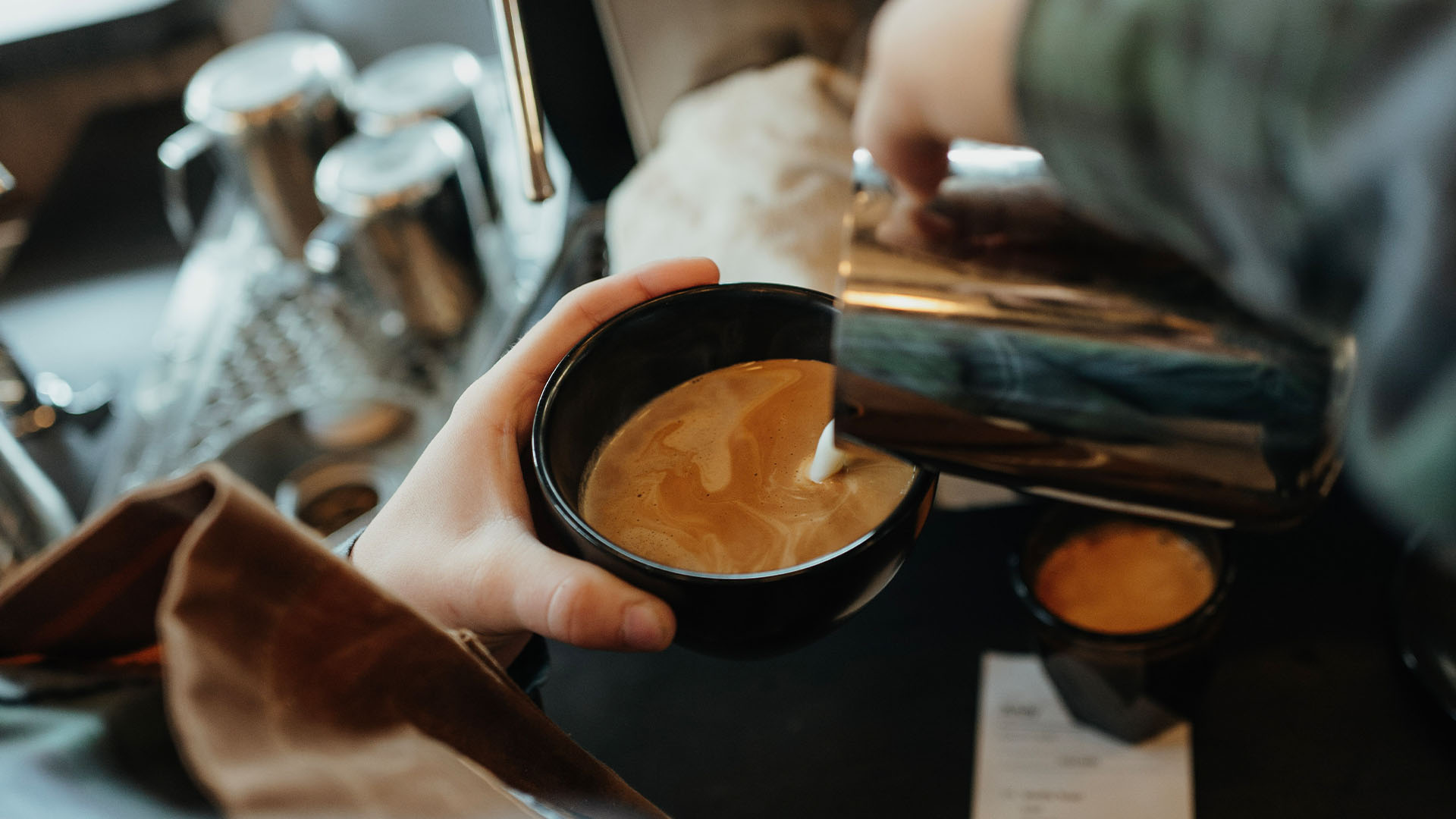
You’ve probably seen the term “artisan coffee” on shop signs and menus, but what does it actually mean? Is it just a marketing buzzword, or does it represent something genuinely different from the coffee you brew at home or grab from a drive-through? The answer matters more than you might think, especially if you care about flavor, sustainability, and supporting small businesses.
Artisan Coffee Defined
Artisan coffee refers to coffee that is carefully sourced, roasted in small batches, and prepared with attention to detail at every step. The word “artisan” comes from the same root as “art” — it implies craftsmanship and skill applied to what might otherwise be a routine product.
In practice, artisan coffee differs from commercial coffee in several key ways:
- Sourcing – Beans are typically single-origin or from carefully selected farms, rather than bulk commodity blends
- Roasting – Small-batch roasting allows for precise control over flavor development
- Freshness – Artisan roasters ship and serve coffee within days of roasting, not months
- Preparation – Baristas are trained to extract the best from each bean using calibrated equipment
- Transparency – You can often trace your cup back to a specific farm, region, or cooperative
The Journey from Farm to Cup
Every cup of artisan coffee represents a chain of decisions that begins thousands of miles away. Coffee cherries are hand-picked at peak ripeness on farms in countries like Ethiopia, Colombia, Guatemala, and Brazil. The cherries are processed (washed, natural, or honey process), dried, sorted, and shipped as green beans to roasters around the world.
The roaster then applies heat to the green beans in a carefully controlled process that can last anywhere from 8 to 14 minutes. During roasting, hundreds of chemical reactions occur that transform a hard, grassy-smelling seed into the aromatic brown bean we recognize. The roaster’s job is to find the perfect balance that highlights each coffee’s unique characteristics.
Why Artisan Coffee Costs More
A cup of artisan coffee typically costs $4 to $7, compared to $1 to $3 for commercial coffee. This price difference reflects real costs throughout the supply chain:
- Fair wages for farmers who hand-pick and process beans
- Smaller batch sizes that cost more per pound to roast
- Higher quality equipment in the coffee bar
- Ongoing training for baristas
- Quality ingredients including fresh milk, house-made syrups, and filtered water
When you pay more for artisan coffee, you’re paying for a product that took more care, more skill, and more intention to produce. You’re also supporting a supply chain that values people and quality over volume and speed.
How to Tell if a Coffee Bar Is Truly Artisan
Not every shop that calls itself artisan lives up to the name. Here are signs that a coffee bar takes its craft seriously:
- They can tell you where their beans come from and who roasted them
- The menu includes brewing methods beyond just drip (pour-over, Chemex, AeroPress)
- Espresso drinks are made to order, not from a super-automatic machine
- They offer seasonal or rotating single-origin options
- The staff genuinely enjoys talking about coffee
Artisan coffee isn’t about snobbery or exclusivity. It’s about caring enough to do things well. Whether you’re a pour-over purist or someone who just wants a really good latte, artisan coffee bars exist to make your daily cup something worth savoring.